
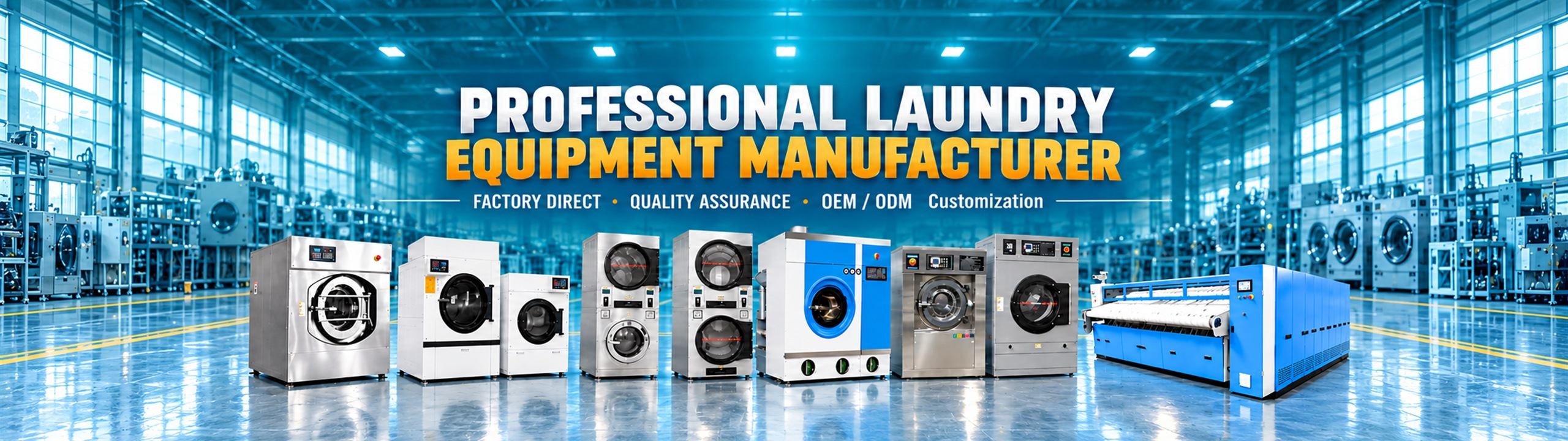
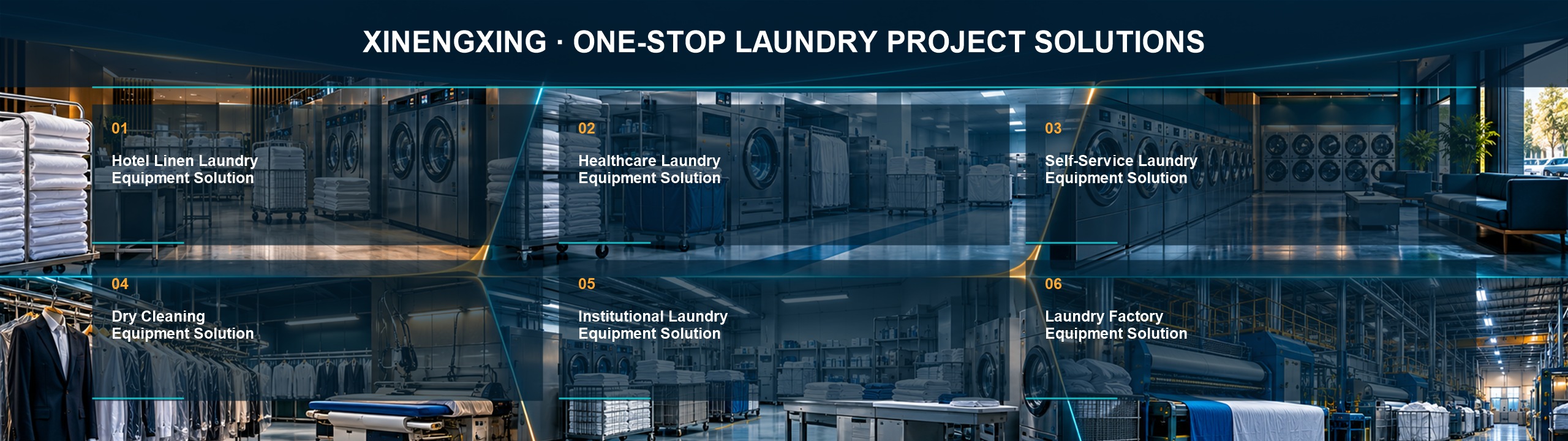
A plant designed to process 2,000 hotel linen sets per day can achieve useful economies of scale, but profitability depends on utilization, service pricing, labor productivity, utility costs and payment collection.
Convert “sets” into kilograms by using the actual mix of sheets, duvet covers, pillowcases and towels. Then calculate peak-day volume, operating hours, number of shifts and reserve capacity. This determines washer, dryer and finishing-line requirements.
A typical configuration includes multiple high-capacity washer-extractors and dryers, plus a linen feeder, multi-roll ironer, folder and stacker. Hourly capacities must be balanced so that wet processing does not overload finishing.
Revenue should be based on signed customer volumes and item-level prices. Costs should include labor, water, energy, steam, chemicals, delivery, rent, wastewater treatment, maintenance, depreciation, financing and tax. Allow for rewash, linen damage and seasonal occupancy changes.
Hotel payment terms may be longer than the laundry’s payroll and utility cycles. Adequate working capital and diversified customers are essential. Any profit forecast should be tested under lower utilization and higher-cost scenarios before investment.
Note: This overview is for planning only. Local quotations, regulations and contracts are required for a reliable feasibility study.