
Advertisement | By XINENGXING
Originally published: 2026-07-25. Updated for the XINENGXING English website.
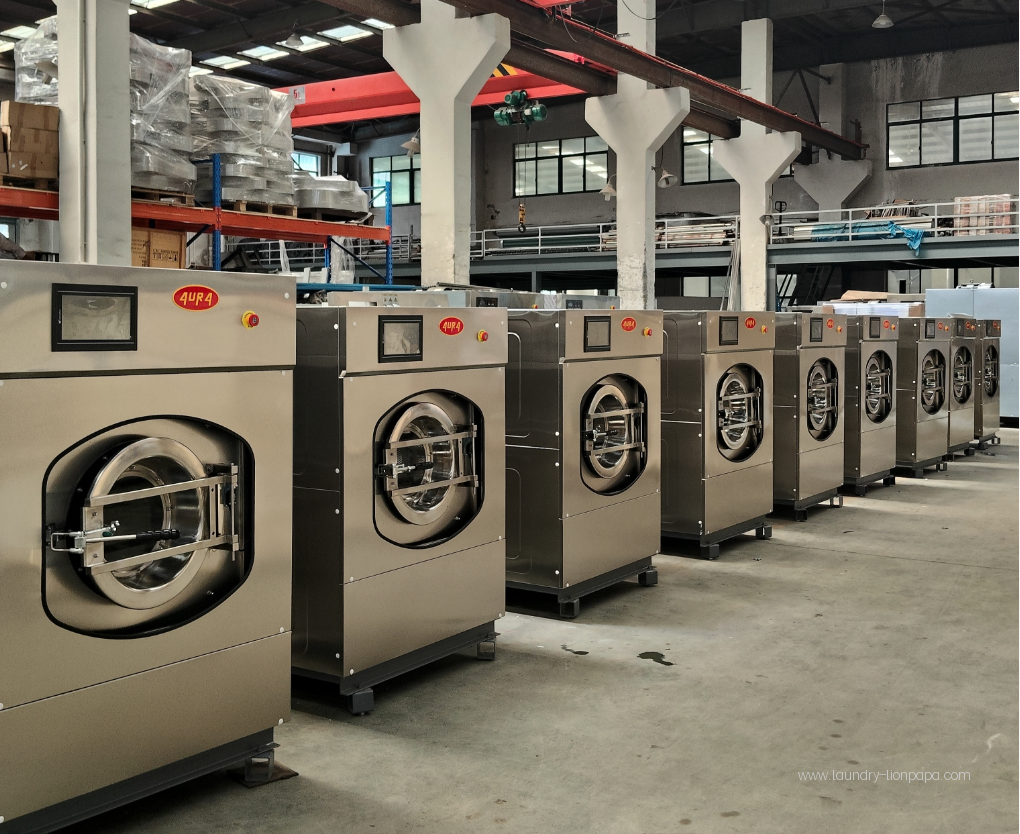
In July 2026, XINENGXING described more than ten years of cooperation with an established local Indian brand. The partnership addressed small commercial laundry applications in cities, student hostels, budget hotels and community laundromats. Its product work included a customized 25 kg industrial washer-extractor.
The described machine configuration supported an app connection for machine-status monitoring, washing-revenue records, programme adjustment and remote fault assessment. Functions depend on the installed controller, software permissions and network service. Remote access does not replace on-site supervision, safe operating practices or qualified maintenance.
Startup passwords and separate operator accounts were described for stores managed by several staff members. Account permissions can organize access to controls and data. They do not guarantee protection from unauthorized access or data loss; operators should manage passwords and permissions appropriately.
The touch panel provided programmes for suitable daily garments, bed linen, hostel uniforms and hotel towels. Staff still need instruction on textile sorting, loading, chemical handling and safe machine use. The 25 kg format was intended for community laundries, campus rooms and smaller linen workshops; obtain dimensions and service-clearance requirements before choosing a site.
The partnership included discussion of voltage, payment-system interfaces, panel languages and washing-programme logic for local operating needs. Compatibility and any site modifications must be checked for the particular installation.
The source also described operating manuals, fault-diagnosis functions, wearing parts and remote guidance for maintenance teams. Confirm which documents, parts and service hours are included in each order.
XINENGXING described sharing store-layout ideas, self-service pricing considerations and chain-management experience with its partner. These materials can inform planning, but do not promise profitable operation or market share.
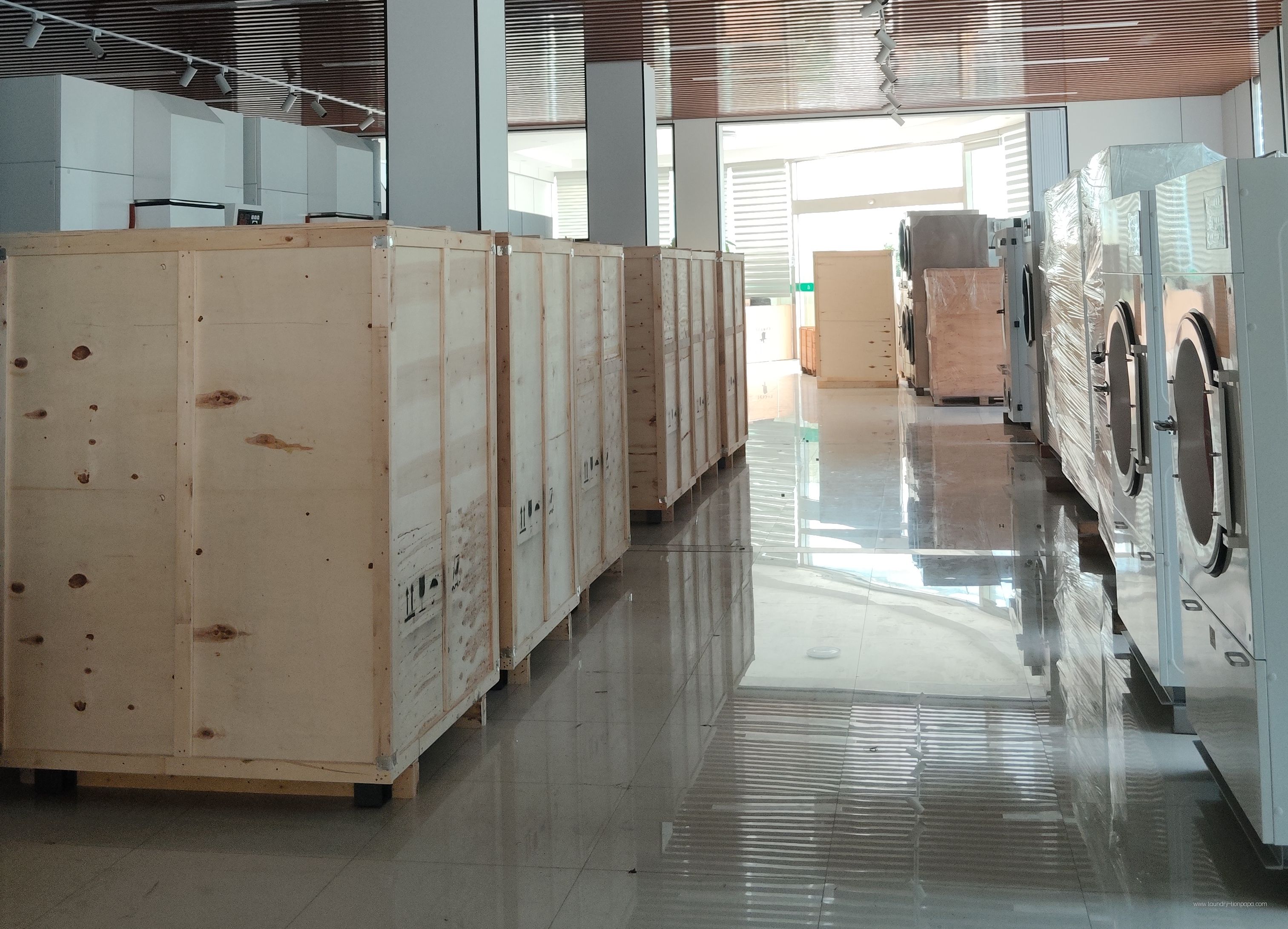
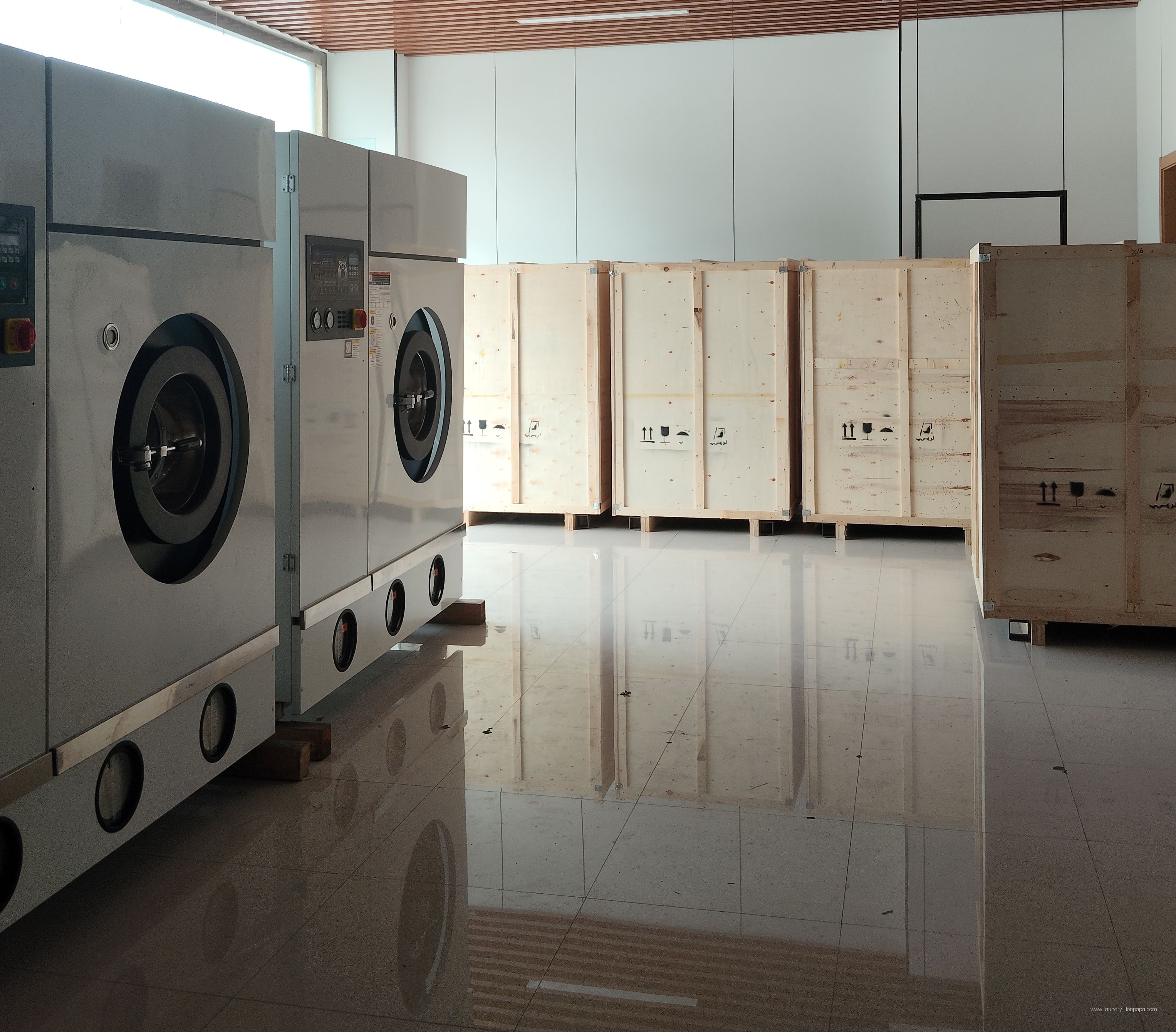
Container loading, shipping arrangements and export documentation can be agreed with the customer. Specify the named port and exact trade term in the contract rather than using the ambiguous expression “FOB factory.” Destination import and conformity requirements remain project-specific.
The July 2026 report presented continued product development and cooperation as future plans. Investment outcomes depend on local demand, costs, financing and execution.