Advertisement | By XINENGXING
Originally published: 2026-08-14. Updated for the XINENGXING English website.
Self-service laundry customers use different payment methods across and within countries. A laundromat's equipment plan should be based on the target customers and available payment services rather than assuming one method suits an entire region.
Coin operation remains relevant for some North American and European laundries and can support payment without a customer mobile connection. Coin recognition must match the intended currency and denominations; the rest of a machine's connected features may still require a network.
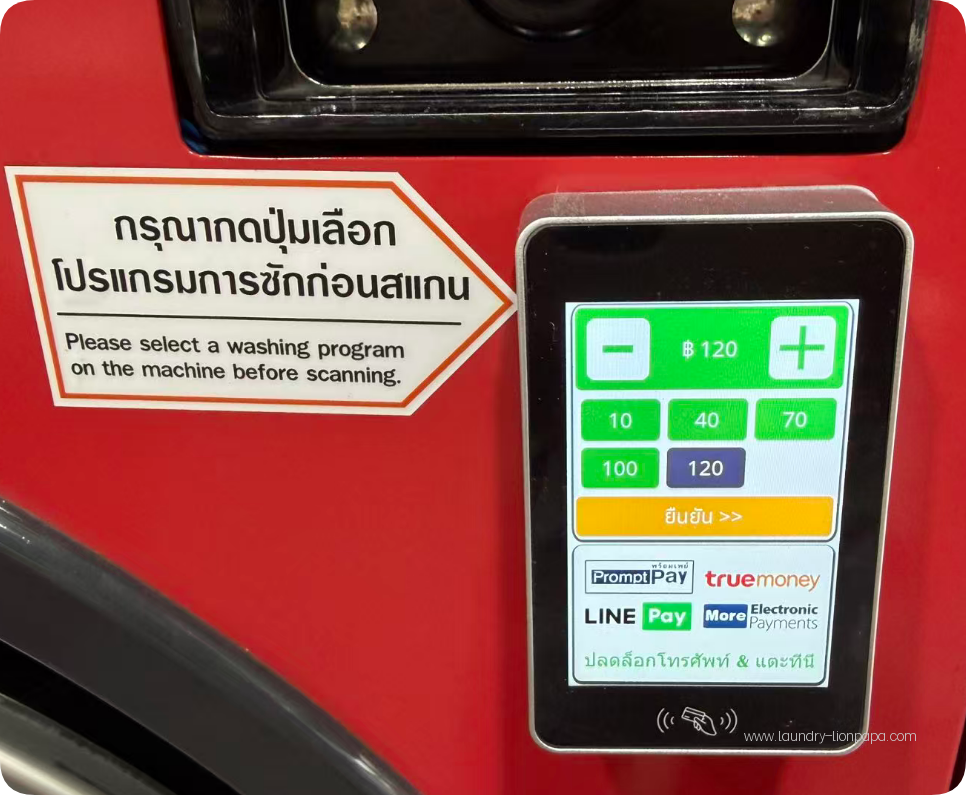
QR-code and app payments may suit customers in Southeast Asia, Latin America, Africa and other markets where compatible services are available. Remote transaction and machine records depend on the payment platform, integration and network reliability.
A combined coin-and-QR configuration can offer customers a choice. It does not guarantee higher footfall or revenue; assess transaction fees, cash handling, reconciliation and support needs.
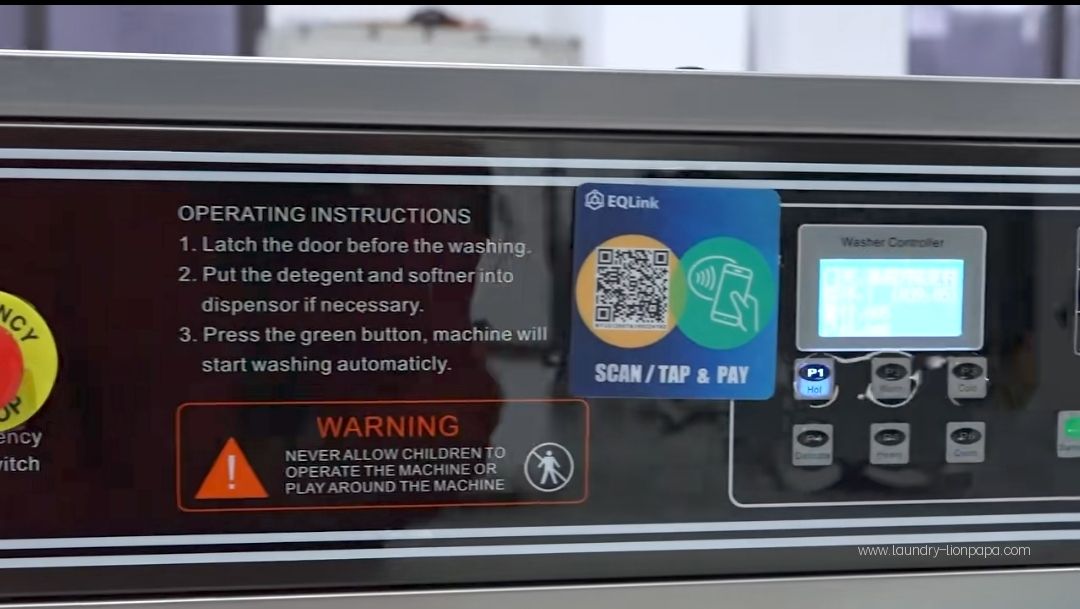
Coin modules can be discussed for currencies used in markets such as the United States, Europe and Australia. Confirm denomination acceptance and recognition testing for the selected module.
QR or app integrations may allow operators to view transaction records, income data and equipment status. Confirm the provider, supported country, account requirements, data access and recurring fees before ordering.
Control-panel localization can include multiple languages, password login and separate operator accounts. Permissions should reflect each person's responsibilities and be managed by the operator.
The source also described reinforced cabinets and shock-absorbing structures for relevant 25 kg and 30 kg self-service washer and dryer configurations. Confirm the exact capacity, structure, duty rating and maintenance schedule for each quoted machine.
For a new laundry or an upgrade, contact XINENGXING with the country, currency, preferred payment provider and equipment requirements so the proposed configuration can be checked.