Advertisement | By XINENGXING
Originally published: 2026-07-21. Updated for the XINENGXING English website.
Choosing commercial laundry equipment involves more than its country of manufacture. Compare specific models, suppliers and service arrangements against the intended store and destination market. Self-service washers and dryers, industrial linen equipment and dry-cleaning machines serve different processes and should be assessed separately.
The original July 2026 article compared Chinese-made equipment with a US brand identified as “Queen Speed.” Its brand identity and comparative claims were not supported by model-level evidence. This revised article retains the purchasing and business-model questions without presenting an unverified brand ranking.
For any locally supplied or imported machine, inspect drum and cabinet materials, bearings, motors, controls and rated duty. Ask for test records, maintenance requirements and warranty details. A country label cannot establish a failure-free service life or suitability for continuous operation.
A local service network can be valuable when equipment needs attention. Confirm technician coverage for the actual postcode, response arrangements, parts inventory and charges. For imported machines, establish which spares will be held locally and how replacements will be dispatched. Record agreed support terms rather than assuming a nationwide 48-hour response or a fixed waiting period.
Confirm coin denominations, card or mobile-payment providers, transaction fees and software compatibility. Revenue records, energy monitoring, usage reports and fault alerts depend on the installed platform. Ask for a demonstration of the proposed integration and its recurring costs.
Compare equivalent capacities and specifications using current written quotations. Include freight, insurance, duties, local taxes, installation, electrical work, software, training and support. The original price multiples and percentage discounts lacked a documented comparison and are omitted.
Maintenance contracts, warranty conditions and parts prices vary by supplier. Review their terms and the availability of qualified independent service before selecting equipment. Estimate replacement and resale value conservatively using the relevant local market.
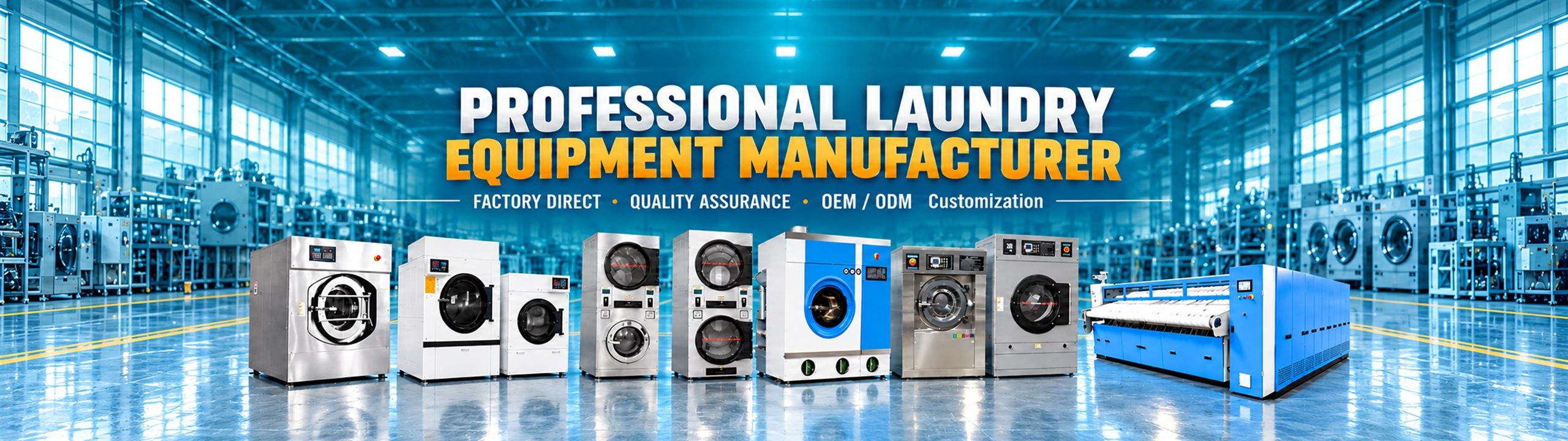
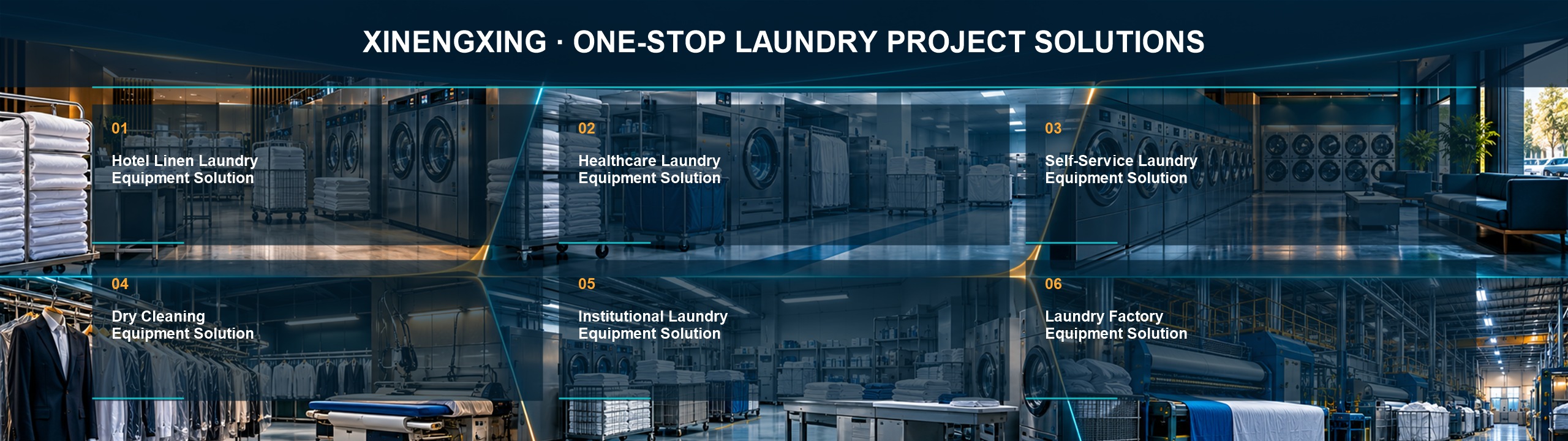
XINENGXING can discuss compact self-service equipment, stacked washer-dryers, industrial linen machines and dry-cleaning equipment for suitable projects. The source described capacity options from 8 kg to 100 kg across different product types; confirm the current models and their rated loads.
Possible configuration topics include local-currency coin acceptance, panel languages, control functions, automatic lubrication on applicable models, heating arrangements and dimensions. Apartments, hotels, student laundries, small community stores and linen-processing facilities have different workflows and installation needs.
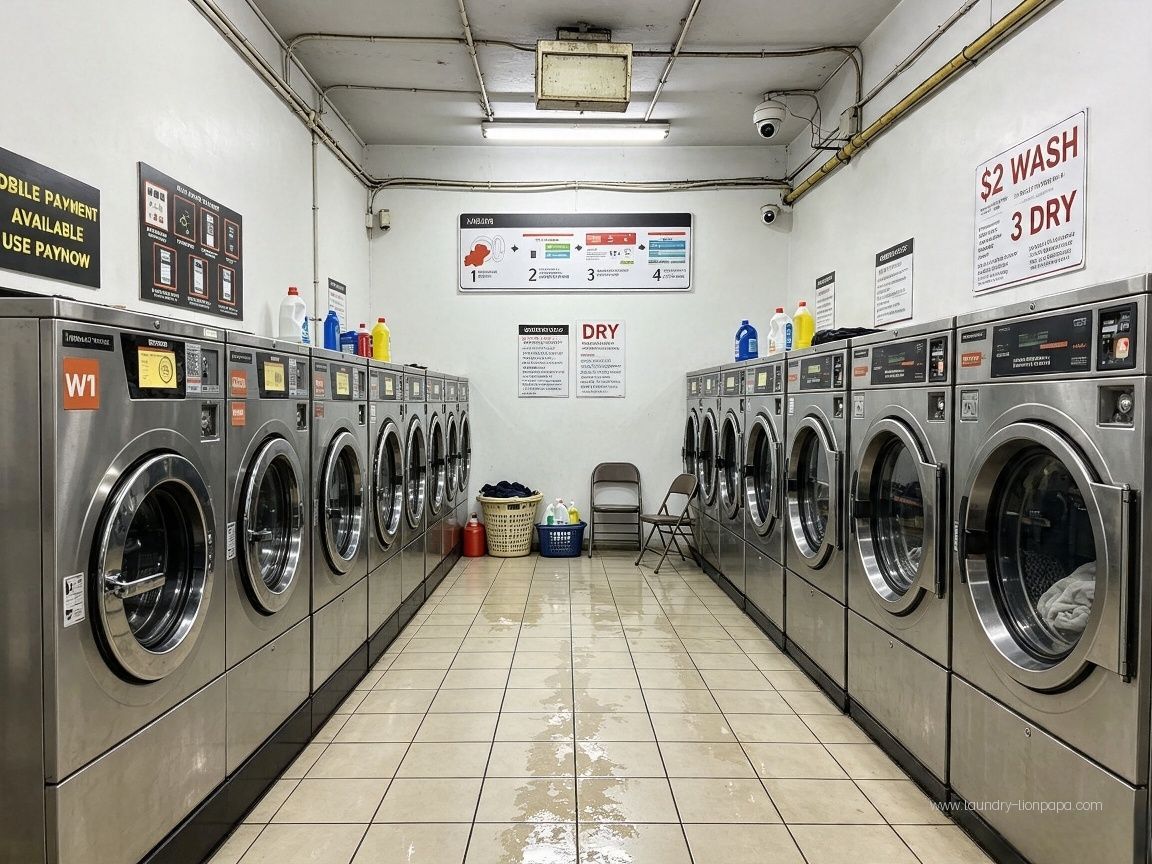
Compare water, electricity and fuel use under equivalent loads, programmes and test conditions. Drives, water-level controls and heat-recovery arrangements should be checked for the exact model. Request comparable test data before estimating savings.
For an international purchase, agree production timing, shipping route, delivery responsibilities and commissioning support. Transit times and parts lead times depend on the order and route. Assess workmanship and controls through specifications, references, factory inspections and acceptance tests rather than generalizations about a country's manufacturers.
Before ordering, check the destination’s electrical supply, installation rules and applicable product requirements. Request documentation for the exact model and intended use. Conformity marks and third-party listings have different purposes; neither an origin country nor a generic certificate establishes acceptance of every machine at every site.
Operators in different markets may combine self-service washing and drying with attended wash-and-fold, detergent vending, membership offers or business linen accounts. Select services from local demand, staffing and processing capability. Dry-cleaning services require a separate assessment of equipment, solvents and operating requirements.
Store size, machine count and customer mix vary within both the United States and China. Assess the site, rent, access, utilities and expected loads rather than using unsupported national machine-count or business-customer profit benchmarks.
Compare purchase and installation costs, payment compatibility, capacity, service access, spare parts and conformity documents in one project assessment. Demand, utilization, maintenance and finance influence business results. Choose the equipment package that fits the evidence and budget; no origin or brand guarantees profitability.