
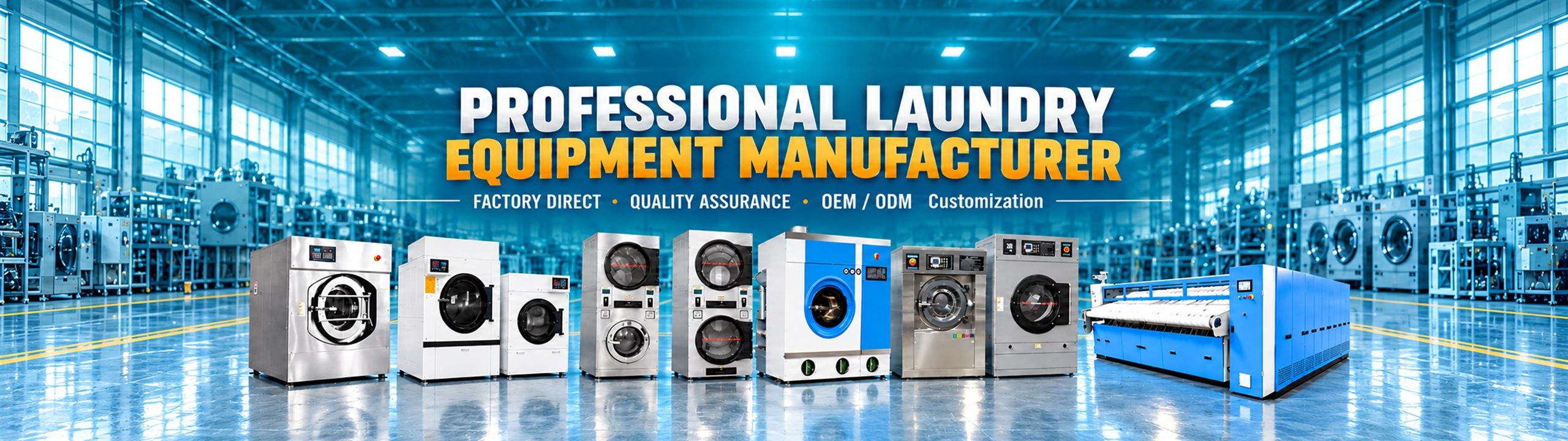
Two laundries with similar equipment can deliver very different outputs. Before buying another washer-extractor, measure how a batch moves through the entire shift, including the time it spends waiting between processes.
Record incoming dry linen weight, textile category and delivery deadline. Keep towels, sheets and duvet covers separate. Mark rewash loads explicitly: they consume machine time without producing an equivalent increase in delivered work. Use several representative operating days rather than treating the best shift as normal capacity.
For illustration, a 40 kg dry load occupying a machine for 50 minutes including handling fits into nine complete cycles in an eight-hour shift: 360 kg before other losses. This is a planning example, not a machine rating. Breaks, cleaning, interruptions and unavailable linen reduce usable time. Drying and finishing must also accommodate that output.
A persistent queue before drying suggests a different investment decision from a queue at the ironer. Record when work becomes available, when processing starts and when it finishes. This separates equipment occupancy from waiting for staff, carts or material. Look for a repeated pattern before using the queue as evidence for expansion.
Include load type, actual batch weight, completed cycles, rewash, interruptions and on-time output. Trial a handling improvement and compare it with the baseline. Send the resulting worksheet with the site plan when requesting equipment advice; a complete operating brief is more useful than a target daily tonnage alone.
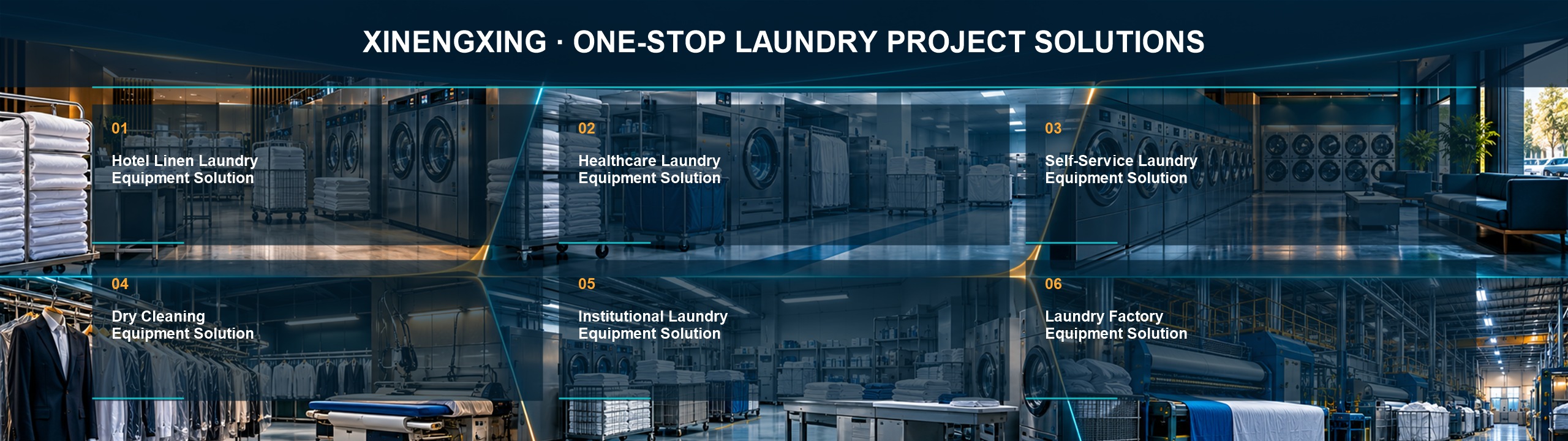
For a project discussion, prepare your textile mix, workload, site layout and utility information. Browse the laundry equipment range and contact XINENGXING with those details. Model-specific capability, installation requirements and service scope should be confirmed in the written proposal.